The Anatomy of a Standard Game Card A typical trading card consists of multiple layers: Surface Coating (5-10m) Varnish or UV coating Printed Layer CMYK ink Top Paper Layer Core Layer (Blue/Black) Opacity barrier Bottom Paper Layer Printed Layer (Card Back) Surface Coating Industry-standard specifications: According to PrintNinja, one of the leading card game manufacturers, Blue Core 280 GSM cardstock is the industry standard, used in approximately 80% of trading card game orders, including games like Magic: The Gathering and Pokmon
Some cards will have edge wear and surface scratches from taking out them out of the binder to take photos when a buyer requests for more photos
The price picture is era-dependent : modern JPN cards carry a 1540% premium over ENG equivalents, but vintage ENG cards command 1.52.1 more than JPN versions
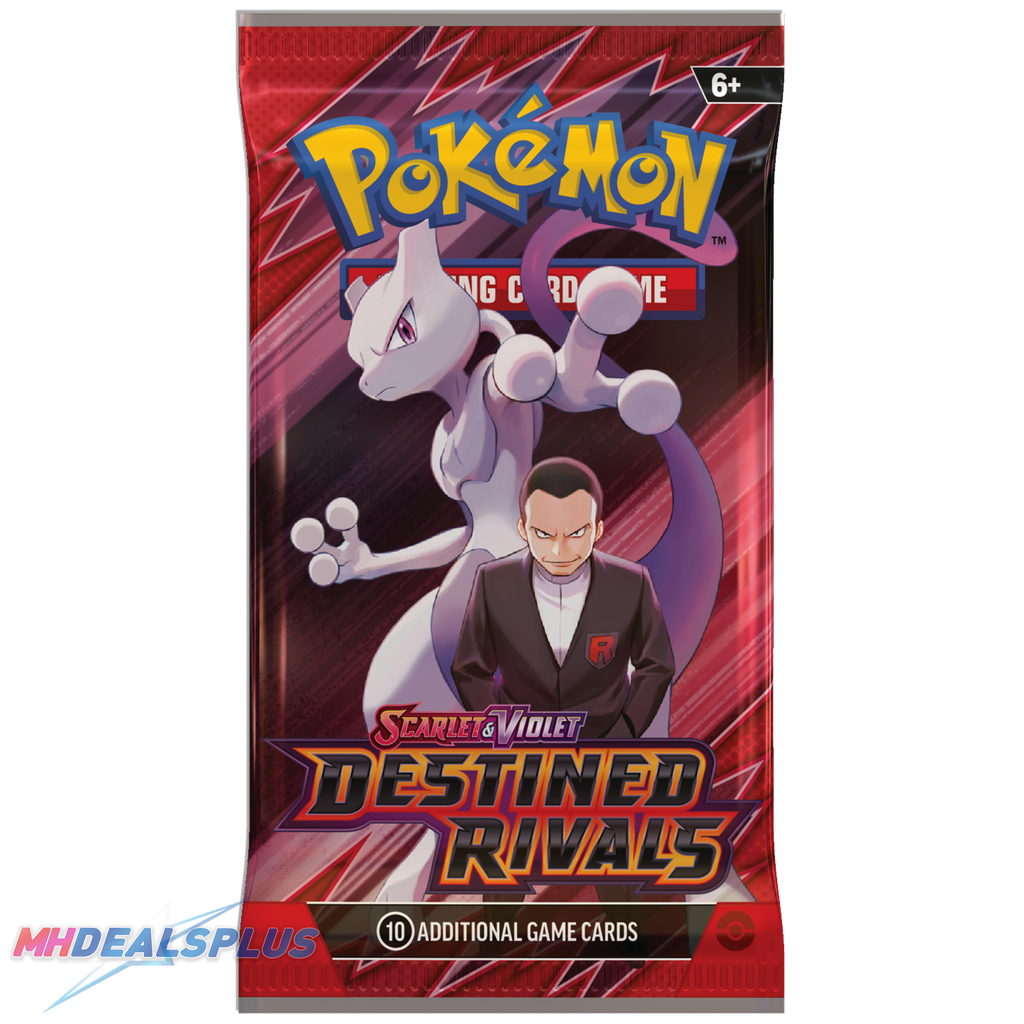
Custom Foil Booster Pack (TCG Size) Specifications: Custom booster pack Fits up to 25 poker size, 28 skat size, 28 bridge size, 30 US game size, 30 business size or 30 domino size cards Color printing Options Sealed on both ends (must be ordered with cards
Follow Casey on Twitter, where he wrote this whole article under the watchful gaze of a Pikachu paper visor.